Clean Hands, Healthy Families
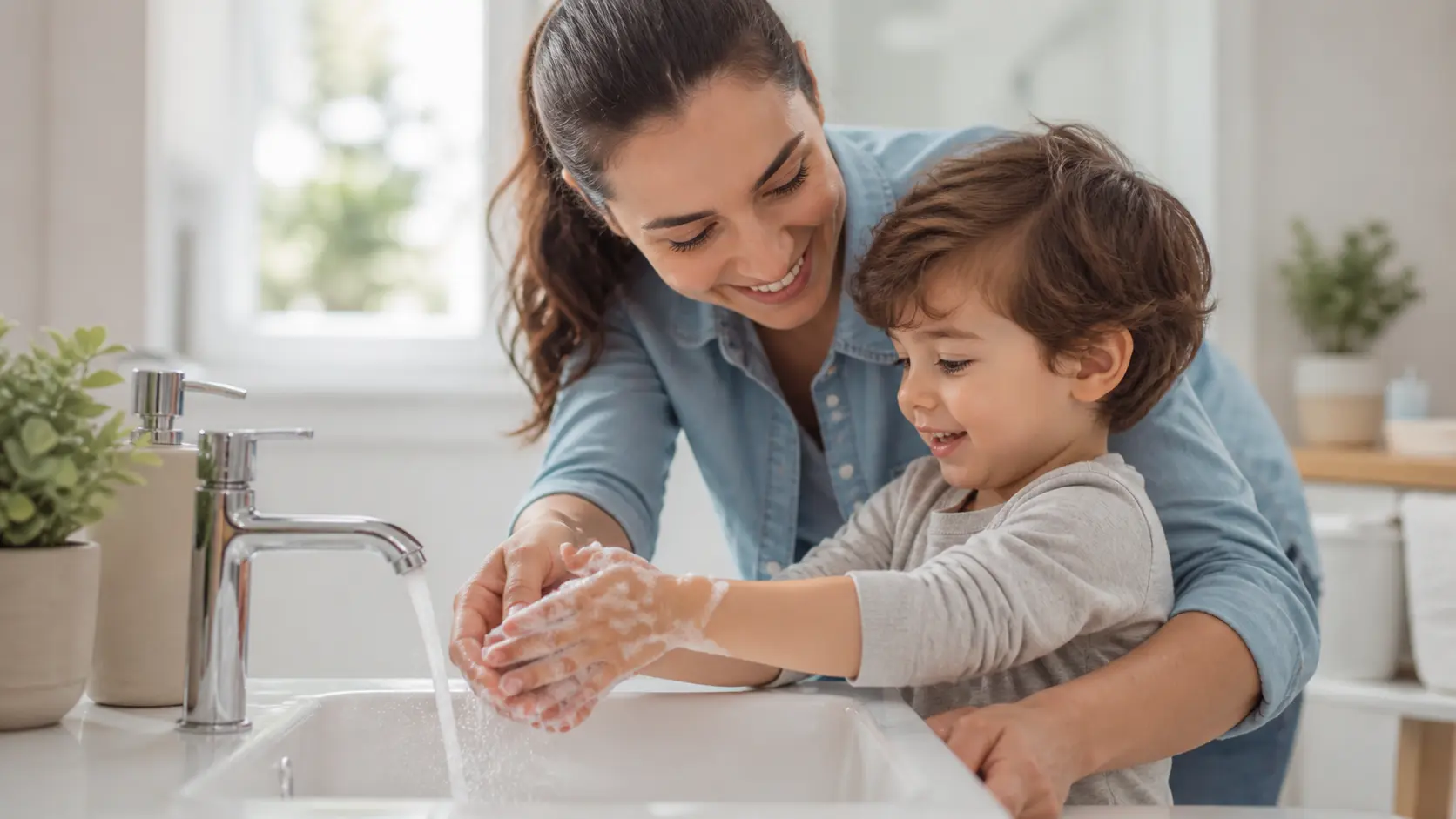
Handwashing is one of the simplest daily habits that can help protect your family from common infections. Clean hands can reduce the spread of germs at home, at school, at work, and in healthcare settings.
Why clean hands matter
Our hands touch many surfaces throughout the day. Without regular handwashing, germs can easily spread from our hands to our faces, food, phones, and other people.
Good hand hygiene is a simple way to reduce the spread of illness and support everyday family health.
When to wash your hands
It is especially important to wash your hands before eating or preparing food, after using the restroom, after coughing, sneezing, or blowing your nose, and whenever your hands are visibly dirty.
Children may need gentle reminders, but making handwashing part of the daily routine helps build a healthy habit from a young age.
How to wash your hands properly
Wet your hands with clean running water, apply soap, and rub your hands together to make a good lather. Remember to wash the backs of your hands, between your fingers, and under your nails.
Scrub for at least 20 seconds, rinse well under clean running water, and dry your hands with a clean towel or allow them to air dry.
A simple habit with a big impact
Regular handwashing can help reduce the spread of common infections such as colds, flu-like illnesses, and stomach bugs.
In healthcare settings, proper hand hygiene is also one of the most important ways to help prevent healthcare-associated infections and reduce the spread of germs.
Make it part of family life
Handwashing does not need to feel complicated. Keep soap easily available, remind children in a calm and positive way, and lead by example.
Small habits, repeated consistently, can make a meaningful difference to your family’s health.
Clean hands are a simple but powerful way to care for yourself and those around you. A few extra seconds at the sink can help protect your family, your community, and the people most vulnerable to infection.
